

The automobile industry is changing faster than ever. What once relied purely on mechanical performance and horsepower has now shifted toward intelligent systems, electric power, and sustainability. Every year brings a wave of innovation that transforms how we travel, connect, and experience mobility. From electric vehicles and autonomous driving to AI-powered systems and smart connectivity, the automobile world is redefining what it means to move.
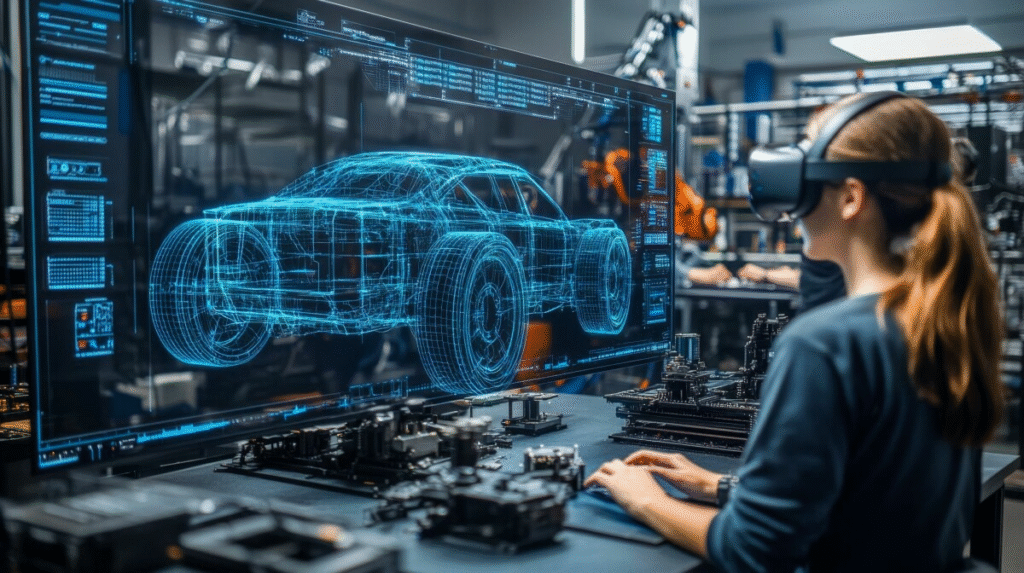
In this article, we’ll explore the most groundbreaking automobile innovations that are driving the future of mobility — shaping smarter, cleaner, and safer transportation for everyone.
1. The Rise of Electric Vehicles (EVs)
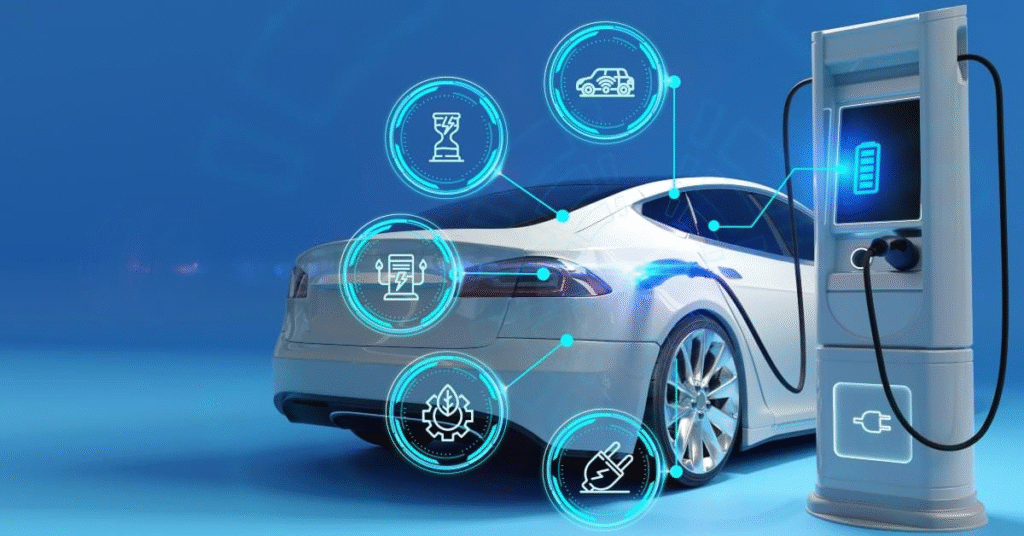
Electric vehicles are leading the charge toward a cleaner and more sustainable future. Traditional fuel engines are slowly giving way to EVs as governments and manufacturers focus on reducing carbon emissions.
Why EVs Are Taking Over

The reasons are simple: lower emissions, cheaper running costs, and improving technology. Battery efficiency has improved dramatically in the last few years, allowing cars to travel longer distances on a single charge.
Companies like Tesla, Rivian, BYD, and even traditional automakers such as Ford, Toyota, and Hyundai have launched advanced EV models.
Charging Infrastructure Growth
One of the biggest challenges for EV adoption was charging convenience. Now, ultra-fast charging stations and expanding networks across cities and highways are solving that. Some EVs can charge up to 80% in under 20 minutes, making them more practical for everyday use.

Smart Batteries and Recycling

Next-gen EVs also feature intelligent battery management systems that extend battery life and efficiency. Researchers are developing recyclable and solid-state batteries to make EVs even more eco-friendly.
2. Autonomous Driving: The Road to Self-Driving Cars

The dream of driverless cars is becoming a reality. Autonomous driving systems, powered by artificial intelligence and sensors, are transforming how vehicles interact with their surroundings.
Levels of Autonomy
There are currently five levels of autonomous driving, from basic driver assistance to full automation. Today’s top vehicles already offer partial autonomy with features like adaptive cruise control, lane assist, and automatic parking.

How AI Makes It Possible
AI algorithms use data from cameras, LiDAR, radar, and GPS to make split-second decisions. They detect obstacles, recognize traffic signs, and analyze surroundings to navigate safely — often more accurately than human drivers.

Safety and Regulations

While full autonomy is still in development, companies like Waymo, Tesla, and Cruise are testing self-driving systems in real-world conditions. Governments are also working on creating safety laws to regulate autonomous vehicles on public roads.
3. Connected Cars: The Internet on Wheel

Modern vehicles are no longer isolated machines — they’re connected devices. With 5G connectivity and IoT integration, cars can now communicate with each other, with infrastructure, and even with your smartphone.
Vehicle-to-Everything (V2X) Communication
V2X technology allows vehicles to exchange information with nearby cars and traffic systems. For instance, if there’s a collision ahead, your car can receive a warning in real-time, helping you take preventive action.

Remote Monitoring and Control

Connected car apps let drivers lock doors, start the engine, or check fuel levels directly from their phones. Some systems even send maintenance alerts before an issue becomes serious.
Enhanced Navigation and Infotainment
Integrated AI and 5G connectivity make navigation smarter and faster. Real-time updates help avoid traffic jams, while infotainment systems provide entertainment, voice assistance, and even health monitoring features.

4. Artificial Intelligence in Automobiles

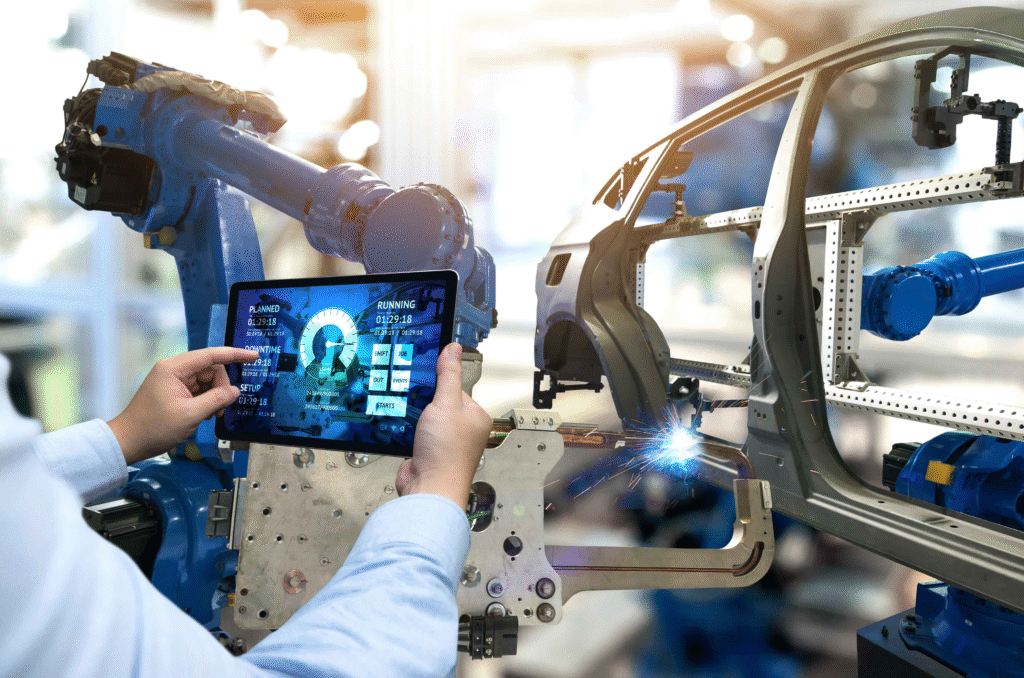
AI is at the heart of almost every new automobile innovation. It powers everything from predictive maintenance to voice recognition and driver assistance.
Predictive Maintenance
Instead of waiting for a breakdown, AI systems analyze driving patterns and vehicle data to predict when maintenance is needed. This not only saves money but also prevents potential accidents caused by mechanical failure.
Voice Recognition and Personalization

AI assistants like Alexa Auto and Google Assistant are making cars smarter. They help drivers control navigation, climate, and entertainment with voice commands, reducing distractions and enhancing comfort.
AI in Safety
AI-driven safety systems can detect driver fatigue, monitor surroundings, and take preventive actions. For instance, some cars automatically apply brakes if a collision seems imminent.

5. Sustainable Manufacturing and Materials

Innovation in automobiles goes beyond engines and electronics. The way vehicles are designed and built is changing too, focusing on eco-friendly materials and production processes.
Recycled and Lightweight Materials
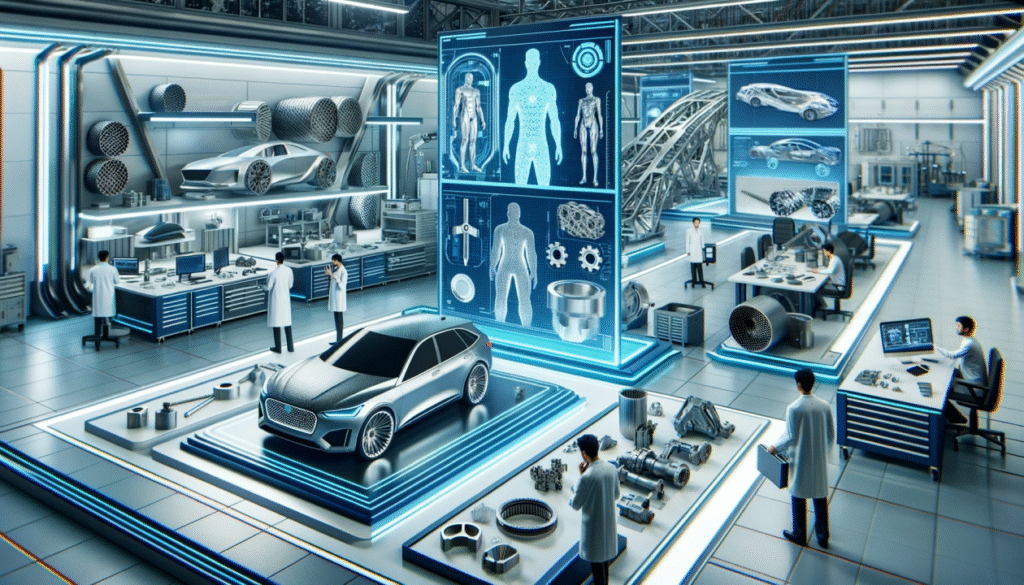
Manufacturers are using recycled plastics, natural fibers, and lightweight metals to reduce vehicle weight and improve fuel efficiency. Lighter cars consume less energy, whether they run on fuel or electricity.
Energy-Efficient Production

Factories are integrating renewable energy sources and smart automation to minimize carbon footprints. Brands like Volvo and BMW aim to achieve carbon-neutral production within this decade.
Green Supply Chains
Sustainability also extends to logistics and supply chains. Companies are using AI to optimize transport routes and reduce emissions during vehicle delivery.
6. Advanced Safety Features and Driver Assistance

Safety has always been a top priority in automobile innovation. Modern cars are equipped with technologies that can prevent accidents and protect passengers better than ever.
Advanced Driver Assistance Systems (ADAS)

Features like adaptive cruise control, blind-spot detection, lane departure warning, and emergency braking are now standard in many cars. These systems use radar, sensors, and cameras to support drivers in critical moments.
360-Degree Cameras and Parking Sensors
Parking assistance has evolved significantly. 360-degree view cameras and automated parking help reduce accidents in tight spaces.

Smart Airbags and Crash Detection
AI-enhanced airbag systems can now adjust deployment based on passenger position and impact type. Some cars even contact emergency services automatically after a crash.


7. Shared and Smart Mobility

As urban populations grow, shared mobility solutions like ride-sharing, car rentals, and subscription models are becoming more popular. These innovations reduce traffic congestion and pollution while improving accessibility.
Car-Sharing and Ride-Hailing
Apps like Uber, Lyft, and Zipcar have changed how people view vehicle ownership. In the future, shared autonomous fleets could dominate city transport systems.

Subscription Models
Instead of buying a car, users can now subscribe to a brand for a fixed monthly fee. This covers maintenance, insurance, and upgrades — making mobility more flexible and cost-effective.
Smart Public Transport Integration
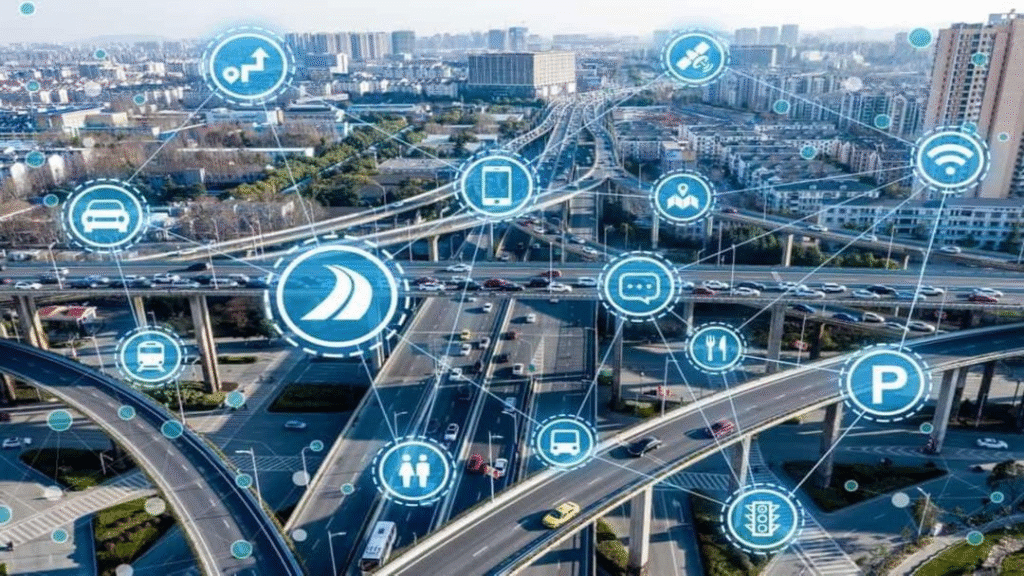

Smart mobility also includes better coordination between personal vehicles and public transport systems. Data-driven apps allow users to plan routes combining multiple transport modes efficiently.
8. Electric Trucks and Commercial Vehicles
Innovation isn’t limited to personal cars. The commercial vehicle sector is also transforming rapidly with electric and hydrogen-powered trucks.
Why It Matters
Freight transport accounts for a significant portion of emissions. Electric trucks from companies like Tesla, Volvo, and Daimler are helping to reduce environmental impact while maintaining performance.
Hydrogen Fuel Cell Technology

Hydrogen-powered trucks are another promising solution. They offer longer ranges and faster refueling compared to traditional EVs, making them ideal for long-haul logistics.
Fleet Management and Automation
AI-driven fleet management tools help companies track vehicle health, optimize routes, and improve delivery efficiency.
9. Smart Infotainment and User Experience

Today’s drivers want more than performance — they want comfort, connectivity, and customization. Infotainment systems have evolved into intelligent ecosystems that enhance every ride.
Personalized Dashboards
Digital displays now adapt to each driver’s preferences, showing customized information like navigation, fuel stats, and entertainment options.

In-Car Entertainment
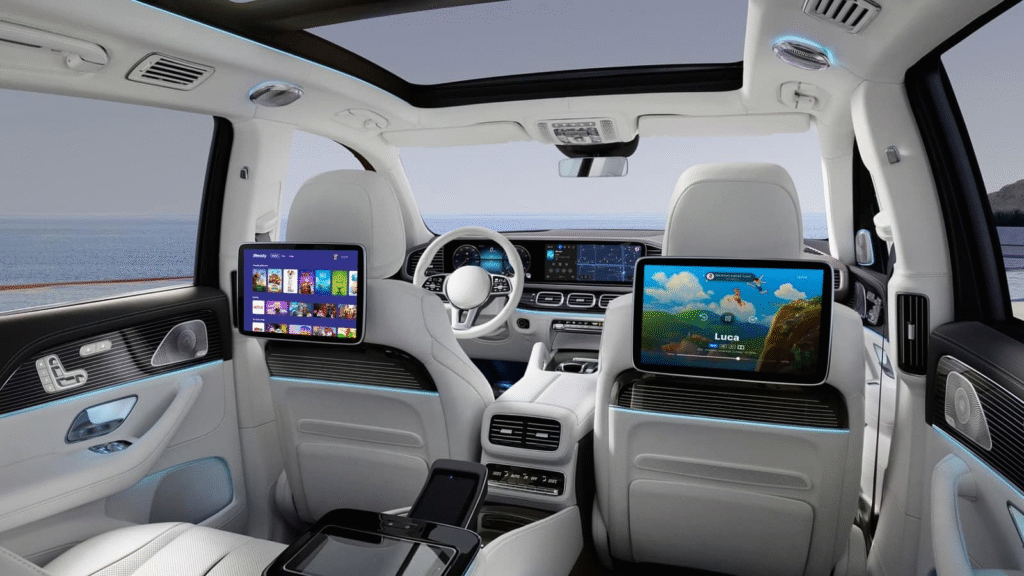
Streaming services, gaming, and voice assistants turn vehicles into mobile living spaces. Passengers can enjoy personalized content while AI ensures safe usage during driving.
Augmented Reality (AR) Displays
Some luxury vehicles feature AR-powered windshields that project navigation directions and hazard warnings directly on the road view, improving safety and convenience.
10. The Future of Mobility: What’s Next
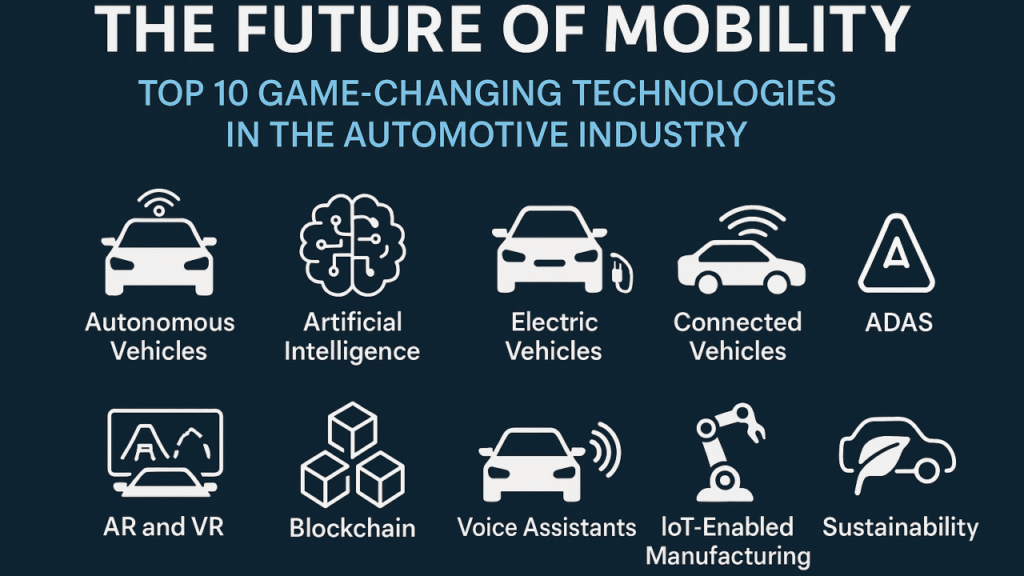
The automobile industry’s innovation journey is far from over. The next decade will likely bring even more radical transformations in how we move and experience mobility.
Urban Air Mobility
Flying taxis and electric vertical takeoff vehicles (eVTOLs) are already in testing. Companies like Joby Aviation and Hyundai are developing air mobility solutions for city travel.

Hyperloop and Smart Roads
Concepts like Hyperloop promise ultra-fast travel through vacuum tubes, while smart roads with embedded sensors will soon communicate directly with vehicles for safer navigation.


Full Ecosystem Integration
In the future, cars, bikes, buses, and drones will all be part of an interconnected mobility ecosystem. AI and data will manage traffic flow, reduce congestion, and make travel seamless across different modes.
Conclusion
The automobile industry is no longer just about machines — it’s about intelligent, sustainable, and connected systems that redefine how we move. From electric vehicles and AI-driven safety to shared mobility and smart manufacturing, innovation is driving us toward a cleaner, safer, and smarter future.
As technology continues to evolve, automobiles will not just transport people from one place to another. They’ll enhance lifestyles, support sustainability, and shape the way we experience freedom on the road. The future of mobility is already here — and it’s electric, intelligent, and endlessly exciting.
The information in this article is for educational and informational purposes only. It reflects current automobile trends and technological innovations as of the time of writing. Readers are encouraged to research further or consult certified automotive experts before making purchasing or investment decisions. The author and publisher are not responsible for any actions taken based on this content.
#AutomobileInnovation #FutureOfMobility #ElectricVehicles #SmartCars #Anslation # Carrerbook #AutoTech #SustainableMobility #EVRevolution #CarTechnology #AIinAutomotive #GreenTransport #AutonomousCars #ConnectedCars #MobilityTrends #AutomobileIndustry