

When it comes to buying a car, one of the biggest decisions many people face is whether to go for a luxury vehicle or stick with an economy model. Both types of cars offer unique advantages, and your choice ultimately depends on your personal needs, lifestyle, and, of course, your budget. So, which one is worth the investment? Let’s break it down.
What Defines a Luxury Car?
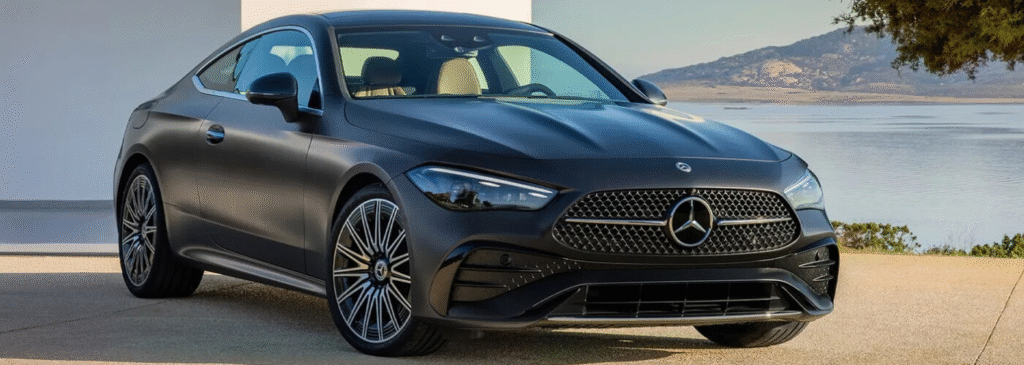
Luxury cars are designed to offer superior comfort, performance, and advanced features. Think sleek designs, high-end materials, cutting-edge technology, and top-tier performance. Brands like BMW, Mercedes-Benz, Audi, and Lexus are iconic when it comes to luxury vehicles. These cars often come with state-of-the-art tech like adaptive cruise control, premium sound systems, and leather interiors. They also deliver a smooth, quiet ride, which makes long drives a pleasure.
Luxury cars aren’t just about aesthetics; they’re built for performance. With powerful engines, enhanced handling, and superior driving dynamics, a luxury car often delivers an experience that’s miles apart from economy models. However, all these premium features come at a significant price—both at the time of purchase and in terms of maintenance and insurance.
The Appeal of Economy Cars
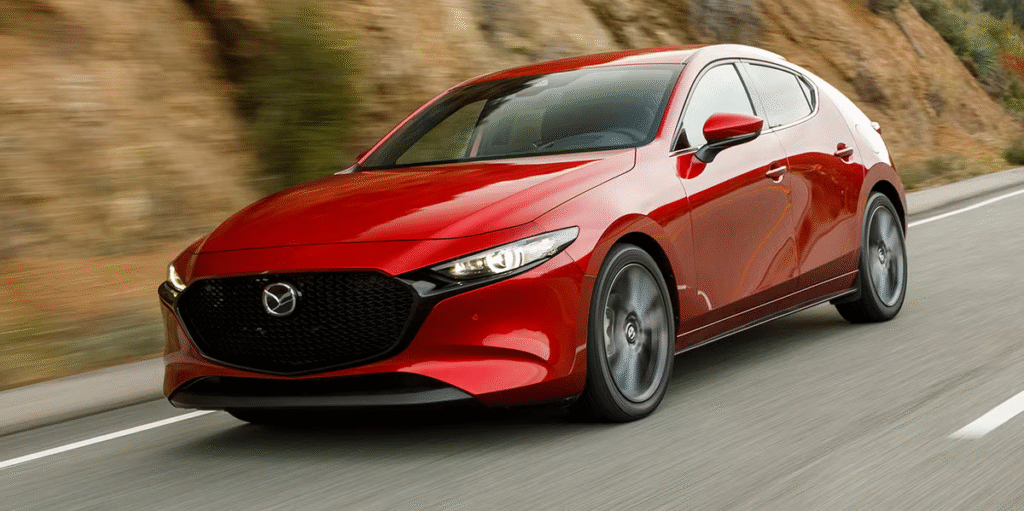
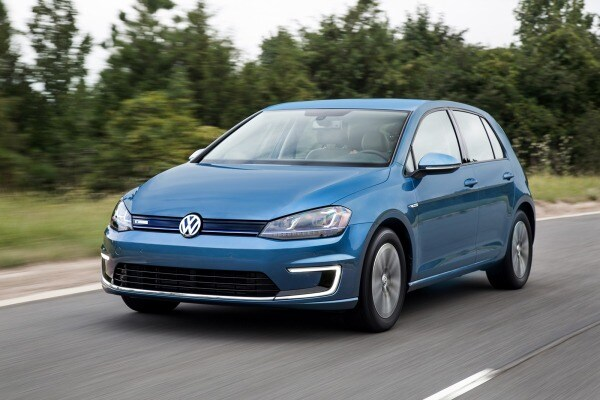
On the other end of the spectrum, economy cars are built to offer practicality and affordability. These cars focus on fuel efficiency, affordability, and reliability rather than high-end features or exceptional performance. Popular economy models include the Honda Civic, Toyota Corolla, and Hyundai Elantra.
Economy cars tend to have smaller engines and simpler interiors, but they are often more than enough for day-to-day commutes and city driving. With lower purchase prices, fuel costs, and insurance premiums, economy cars are a smart choice for those looking to save money while still getting a dependable vehicle. They also tend to have a reputation for reliability, with some models reaching high mileages with minimal issues.
Key Factors to Consider When Choosing Between Luxury and Economy Cars


1. Initial Cost:
The most obvious difference between luxury and economy cars is the price tag. A luxury car can cost anywhere from $40,000 to over $100,000, while economy cars typically range from $15,000 to $30,000. If budget is a concern, an economy car can save you tens of thousands of dollars upfront.
2. Maintenance and Repair Costs:
Maintenance and repair costs for luxury cars are generally higher than those for economy models. Parts and labor for high-end cars can be expensive, especially if they need specialized services or parts that are unique to the brand. On the flip side, economy cars are often less costly to maintain, with readily available parts and widespread service options.
3. Fuel Efficiency:
In general, economy cars are more fuel-efficient than luxury cars. The smaller engines and lighter builds of economy cars help them achieve better miles per gallon (MPG). Luxury cars, particularly larger models and performance vehicles, tend to have higher fuel consumption, though some luxury manufacturers now offer hybrids or electric vehicles that are more efficient.
4. Resale Value:


Luxury cars depreciate faster than economy cars, meaning they lose their value more quickly. While they may offer superior quality at first, the resale value tends to be much lower as the car ages. Economy cars, on the other hand, often hold their value better, thanks to their reputation for reliability and the lower depreciation rates of more affordable vehicles.
5. Driving Experience:
Luxury cars are often a joy to drive. From enhanced suspension systems to advanced safety features, luxury cars offer a smoother, more refined driving experience. For car enthusiasts, this is one of the most important considerations. Economy cars, while reliable and practical, don’t deliver the same level of performance, though modern models are still quite fun to drive.
6. Technology and Features:
Luxury cars come equipped with the latest tech innovations, such as adaptive cruise control, advanced navigation systems, and autonomous driving capabilities. The interiors often feature high-quality materials, like leather upholstery, and advanced sound systems. Economy cars have their own share of features, but you may need to opt for higher trims or packages to get things like smart navigation or premium audio systems.
7. Safety:
Luxury vehicles typically come with more advanced safety features like lane-keeping assist, automatic emergency braking, and more comprehensive crash avoidance systems. However, many economy cars today come with impressive safety ratings and offer essential features like airbags, stability control, and backup cameras. The choice of safety features largely depends on the model you pick.
Is a Luxury Car Worth the Investment?
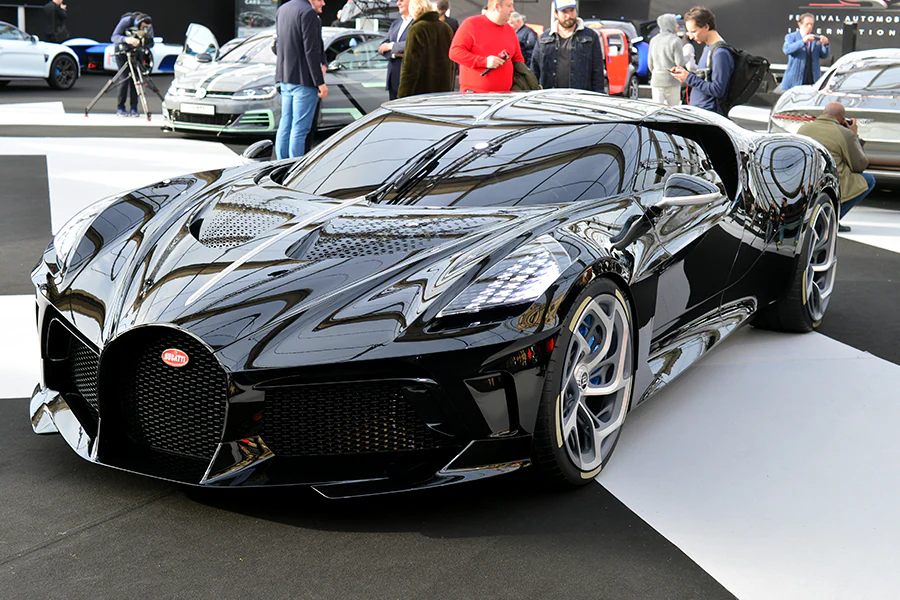
Whether or not a luxury car is worth the investment depends on your priorities. If you’re someone who values prestige, superior comfort, and cutting-edge performance, a luxury car can be a fantastic investment. The driving experience, advanced technology, and premium materials can significantly enhance your overall satisfaction.
However, if you’re more concerned about practical matters like affordability, low maintenance costs, and fuel efficiency, an economy car might be a more sensible choice. You can still get a well-made, reliable vehicle at a fraction of the cost, and you’ll have more money to invest in other areas of your life.
The Final Verdict:
Both luxury and economy cars have their pros and cons, and the choice ultimately comes down to your personal needs, lifestyle, and financial situation. If you can afford it and crave an elevated driving experience, a luxury car could be a rewarding investment. On the other hand, if you want a practical, reliable, and cost-effective car that gets the job done, an economy car is a solid choice.
When making your decision, think about how much you’re willing to spend, how you plan to use the car, and what features are most important to you. In the end, both options offer great value—it’s just a matter of which one aligns best with your goals.
The information provided in this blog post is for general informational purposes only. While we strive to provide accurate and up-to-date content, the details and recommendations discussed are subject to change. We do not make any representations or warranties regarding the completeness, accuracy, or reliability of the information provided.
The information provided in this blog post is for general informational purposes only. While we strive to provide accurate and up-to-date content, the details and recommendations discussed are subject to change. We do not make any representations or warranties regarding the completeness, accuracy, or reliability of the information provided.
Additionally, any product links or recommendations included in this post may be affiliate links, meaning we may earn a commission if you choose to make a purchase through them, at no extra cost to you.
#LuxuryCars #EconomyCars #CarComparison #CarBuyingGuide #LuxuryVsEconomy #CarInvestment #AffordableCars #LuxuryLifestyle #AutomobileIndustry #CarShopping #Anslation #Carrerbook #CarFeatures #CarMaintenance #FuelEfficiency #LuxuryCarLife #EconomyCarSavings #CarResaleValue #DrivingExperience #CarTech #AutoExperts #CarPerformance #CarOwnership #CarSafety #SmartCarBuy #CarReviews #VehicleComparison #NewCarShopping #LuxuryVehicles #CarCulture #CarLifestyle